The Housing Choice and Transport Zone (HCTZ) in Victoria
The Housing Choice and Transport Zone is a new type of residential zone in Victoria that supports sustainable urban development and increases medium-density housing supply in areas with good public transport options.
HCTZs will allow for the establishment of liveable, walkable, well-connected communities that help reduce pressure on Victoria’s housing system. The benefits are two-fold: they will address housing demand and encourage residents to reduce reliance on private vehicles for daily travel.
In this article, we’ll look at what the HCTZ is, how it supports Victoria’s planning goals, and what it could mean for future communities, and property markets, across the state.
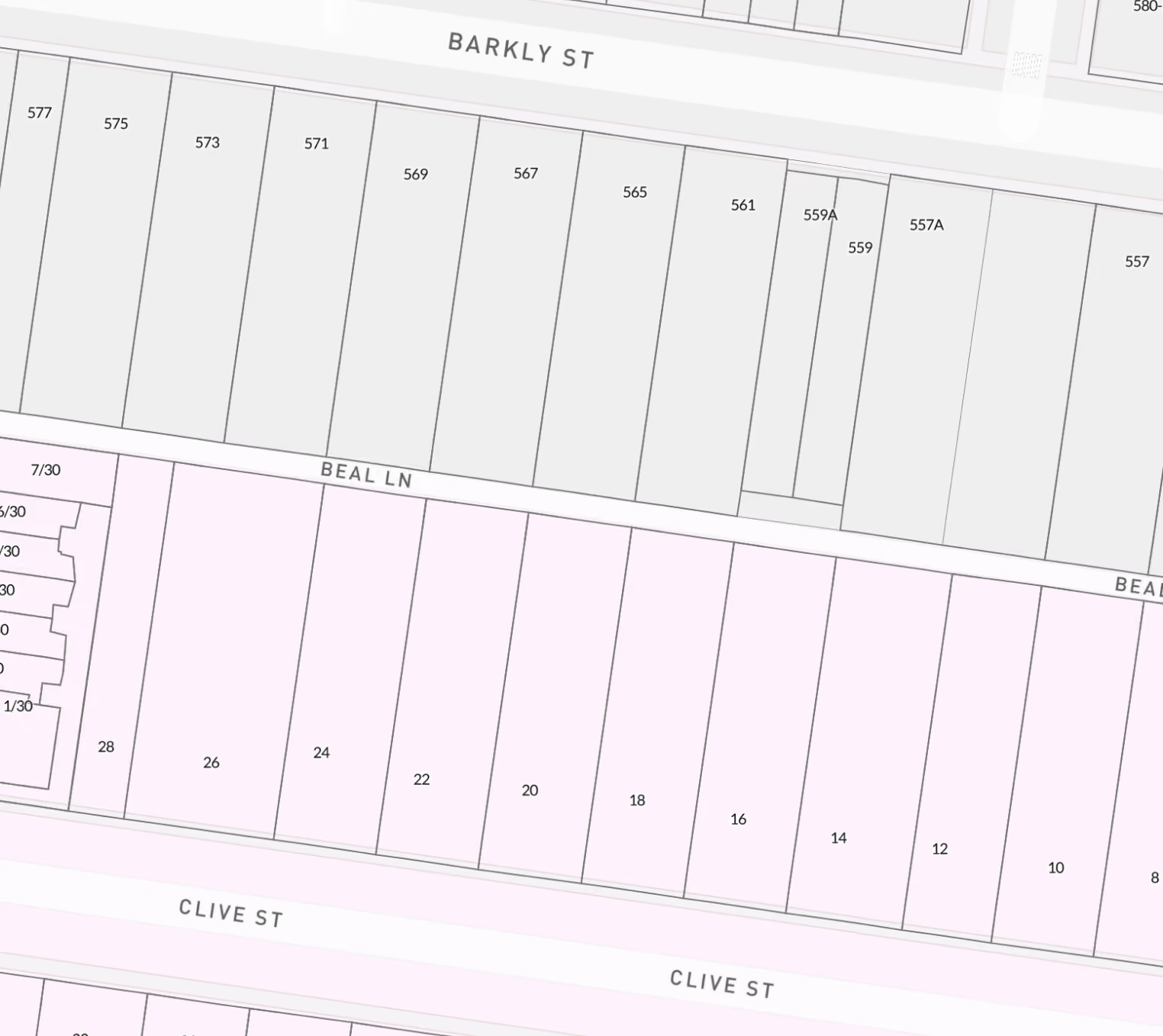
What is the Housing Choice and Transport Zone?
The Victorian Government's Housing Choice and Transport Zone (HCTZ) strategy supports the growth of affordable, medium-density housing close to key transport infrastructure hubs. An innovative approach to zoning, it is one of a suite of residential zones designed to help meet Victoria’ growing housing demand. It will also reduce car dependency by encouraging more Victorians to live closer to jobs, education, and essential services.
The HCTZ was introduced in 2023 as part of the State Government’s Housing Statement: The Decade Ahead 2024–2034. It's part of a group of reforms intended to:
- Accelerate housing delivery
- Support 20-minute neighbourhoods
- Increase affordability and sustainability
- Reduce urban sprawl
Existing zones like the General Residential Zone (GRZ) and Residential Growth Zone (RGZ) focus on providing a balance between housing growth and neighbourhood character. They don’t however necessarily reduce reliance on car-dependent infrastructure.
Conversely, the HCTZ places a strong focus on walkability, transit access, and housing variety. This allows more people to live in well-connected areas without relying heavily on private cars to move around.
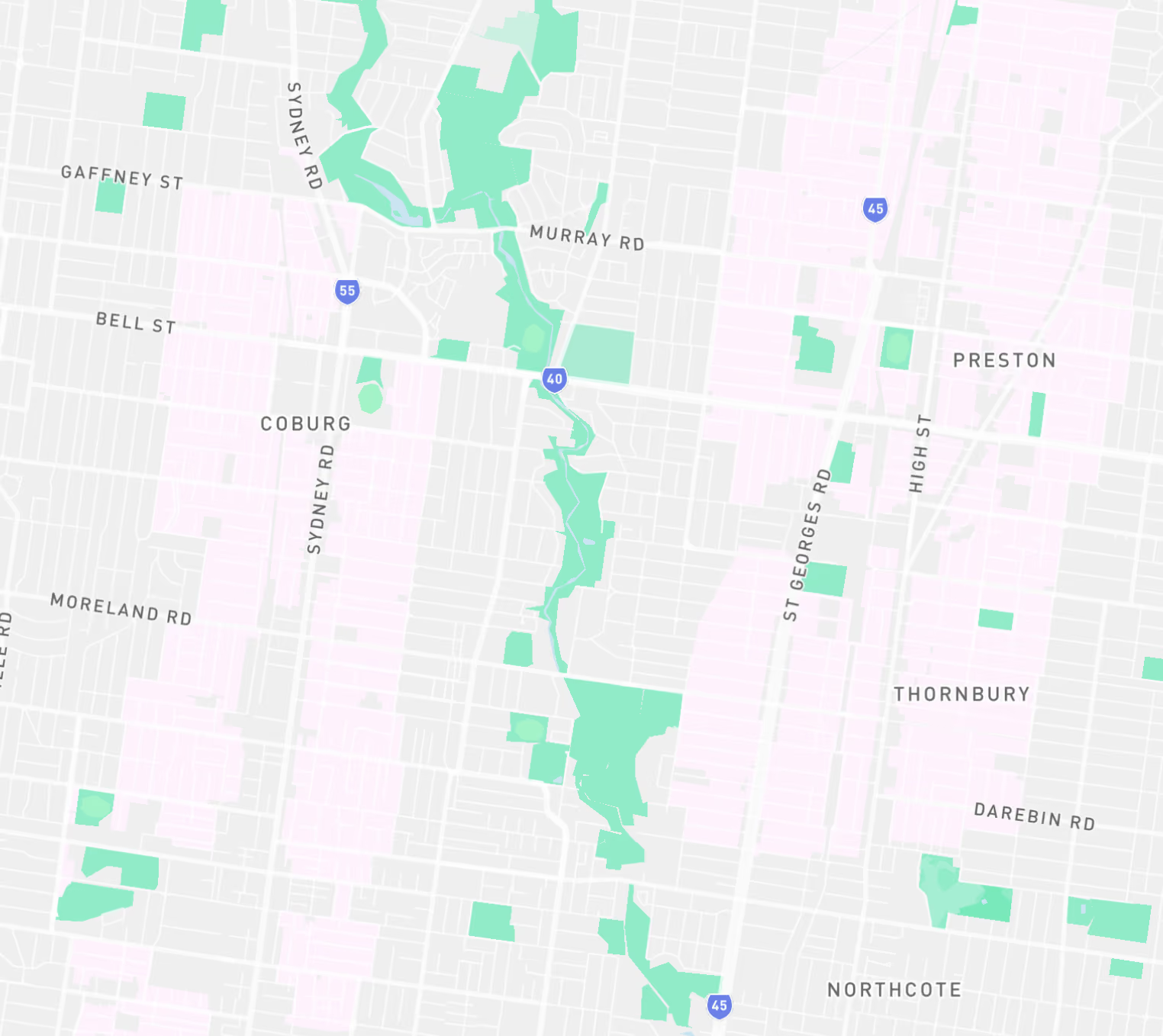
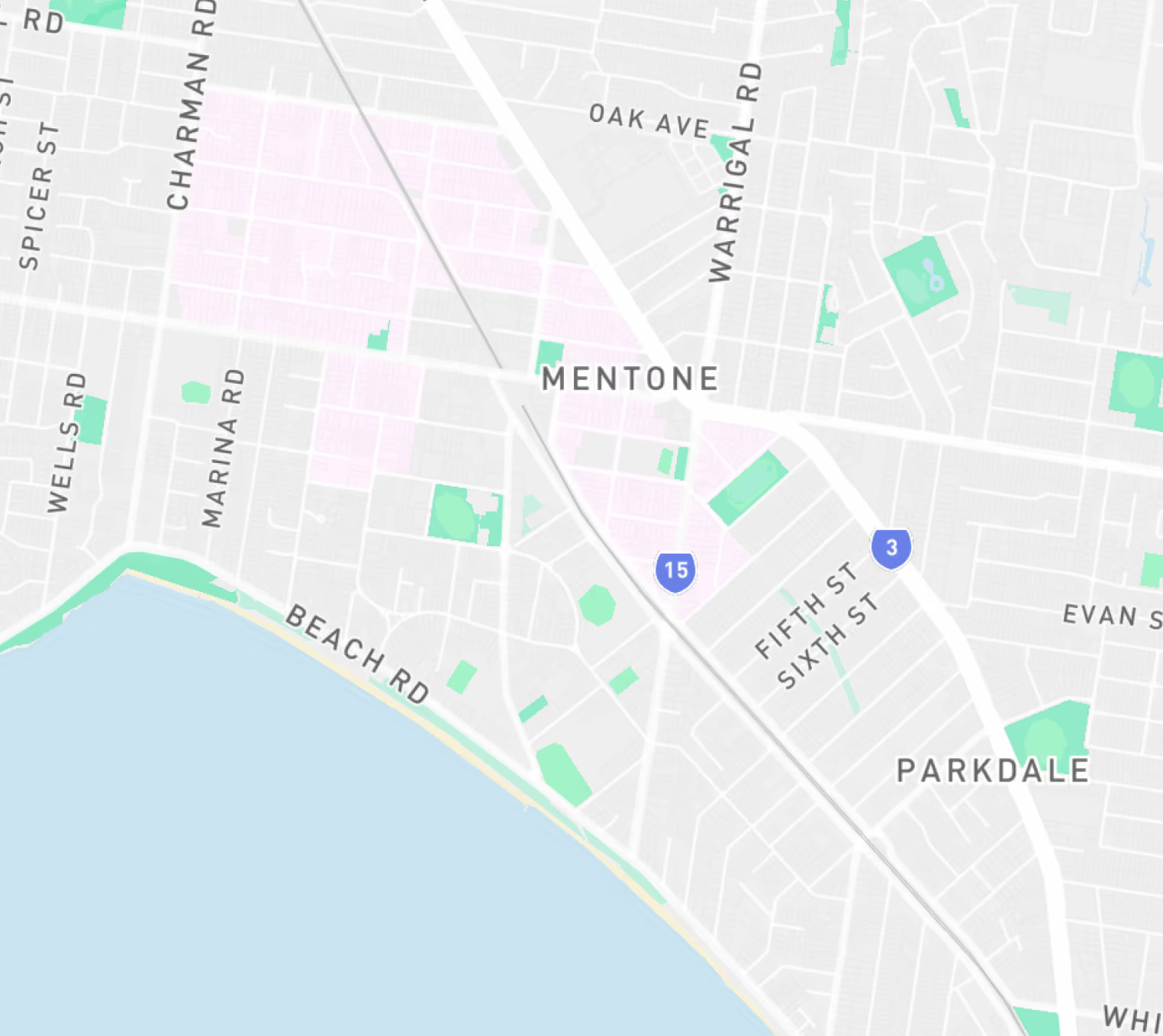
Key Features of the HCTZ
The Housing Choice and Transport Zone has a number of defining features that differentiate it from other planning zones in Victoria:
1. Increased Housing Diversity
It supports a variety of dwelling types – townhouses, duplexes, low-rise apartments, and other medium-density forms of housing. This offers residents a good choice of living options to suit their stage of life: first-home buyers to down sizers, families, singles, and renters.
2. Located Near Public Transport
They will be located in areas already serviced by good infrastructure and public transport options – train stations, tram routes, and frequent bus services. This is in keeping with the state government’s focus on reducing reliance on private transport and meeting key emissions targets.
3. Mid-Rise Development with Design Guidelines
There is provision for buildings up to 4 storeys high within certain sectors of HCTZs. However, strict design standards will ensure all such developments suit the overall neighbourhood character, and improve the streetscape.
4. Streamlined Planning Process
Faster planning approvals, particularly for developments that meet zoning and design requirements will reduce delays, and make it easier to get projects up and going.
5. Aligns with 20-Minute Neighbourhood Model
The 20-minute neighbourhood model provides opportunities for people to live within a 20-minute walk, cycle, or public transport commute to their job, school, shopping, green spaces, and other amenities. The HCTZ works in well with this model as it focuses on developing quality residential areas close to existing infrastructure.
Benefits of Housing Choice and Transport Zones
The introduction of the Housing Choice and Transport Zone is expected to produce some wide-ranging social, environmental, and economic benefits:
1. Sustainability
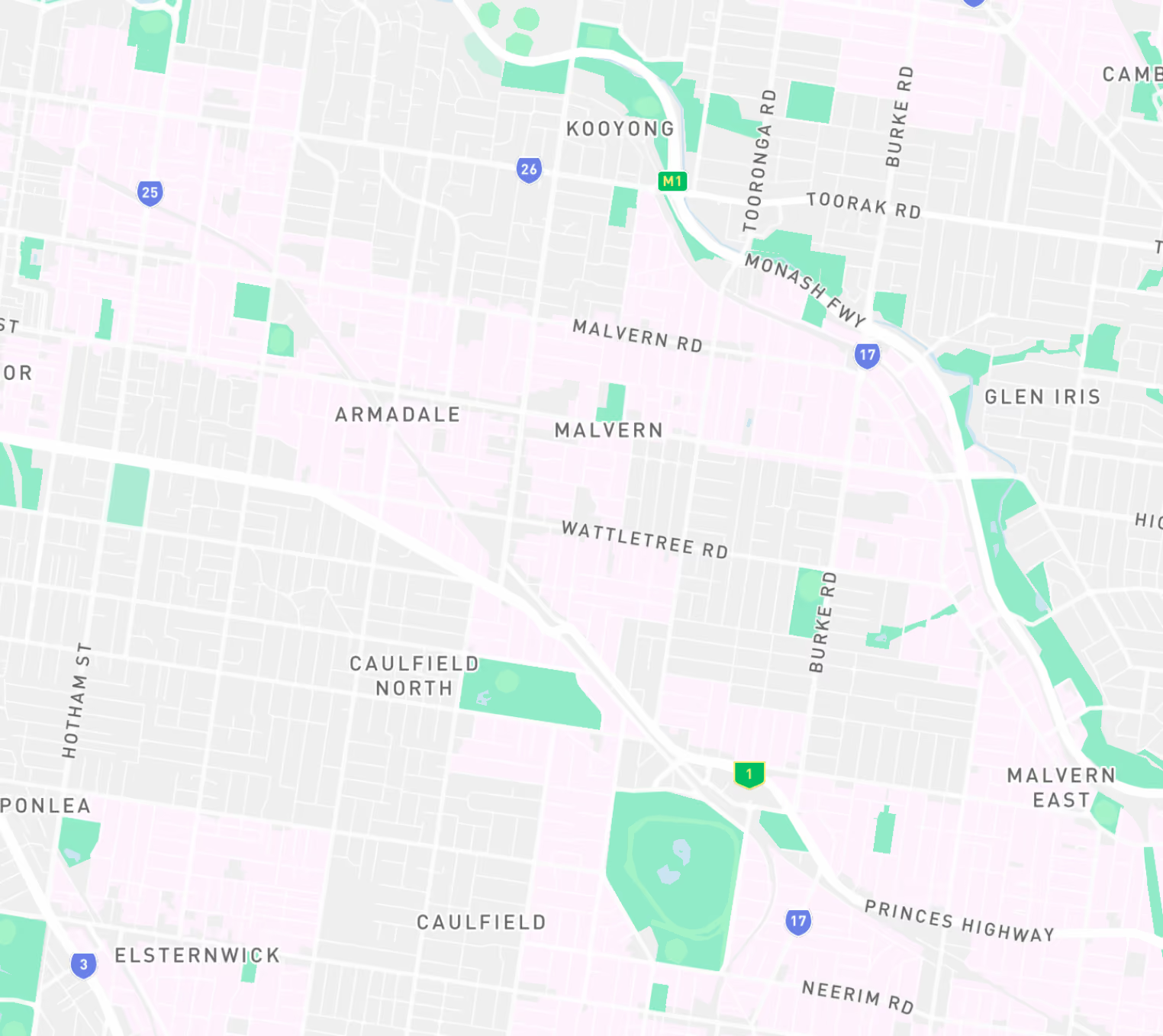
They will concentrate future development close to existing public transport nodes to create compact, walkable communities. The intent is to encourage more people to use trains, buses, and trams and reduce dependency on private vehicles. This in turn directly reduces transport-related emissions and energy use, and lowers greenhouse gas emissions.
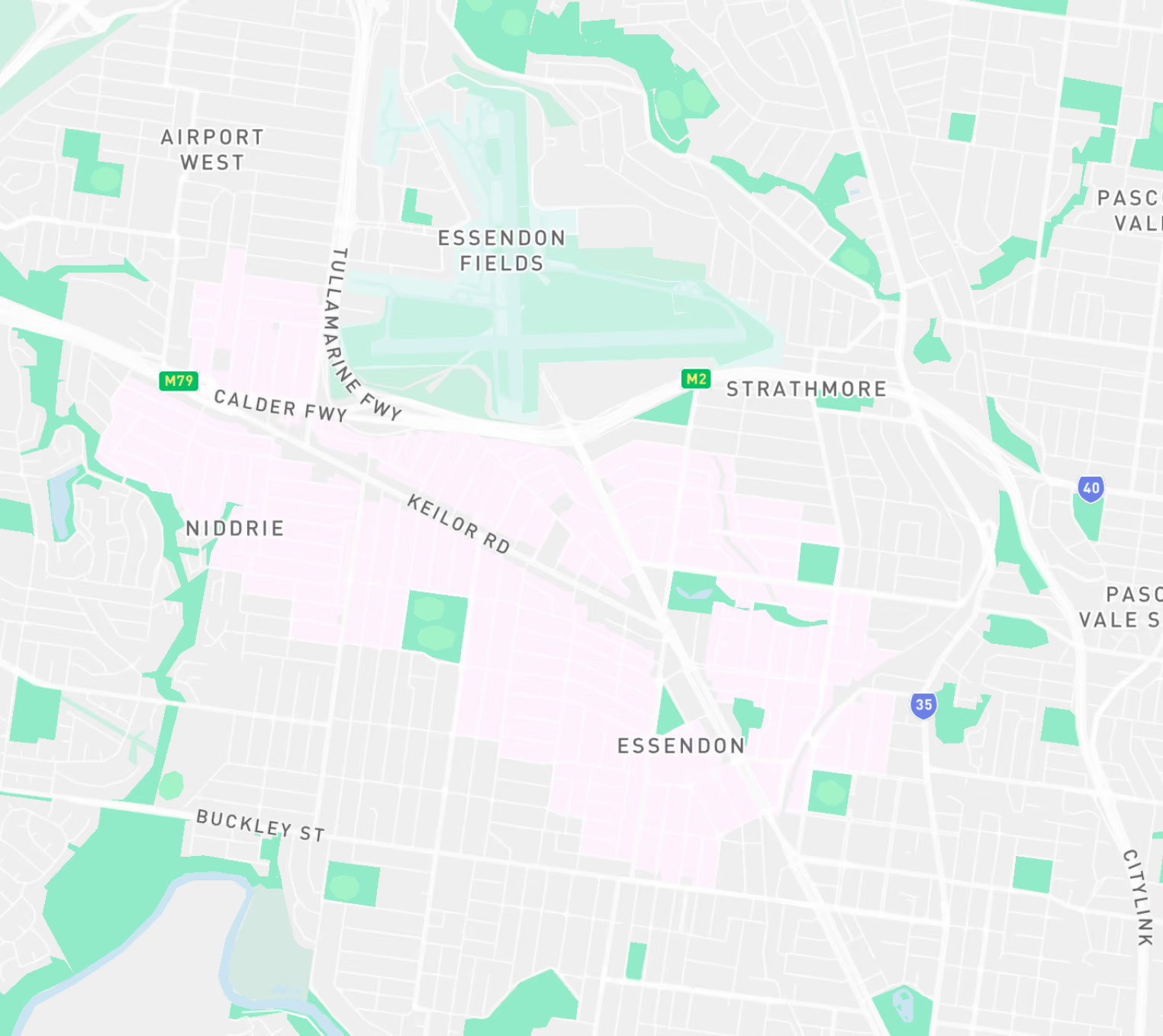
2. Improved Liveability
They are expected to be vibrant, mixed-use neighbourhoods where residents have easy access to work, shops, schools, health services, and recreational facilities within walking and cycling distance. Experts agree that safer, greener, and socially connected communities like these can significantly improve overall quality of life for residents .
3. More Affordable and Diverse Housing
‘Housing Choice’ references how HCTZs will deliver a greater number and variety of homes in well-serviced, desirable areas. It’s anticipated this will help control housing price growth, expand rental availability, and accommodate a broader selection of household types and income levels within a community.
4. Reduced Urban Sprawl
Instead of spreading outwards, focus will be on ‘infilling’ already established urban areas. This will reduce the intrusion of urban sprawl into farmland areas and native bushland. It will also alleviate infrastructure costs, and make better use of existing urban zones.
5. Encourages Economic Growth
Having more people living near shops, services, and transport hubs increases foot traffic and economic activity, and directly benefits local economies. New businesses open up and existing ones expand. Land use intensifies, driving up demand and desirability for these areas, and land values increase.
Higher land values in turn attract investment as developers see a better potential return on investment in these areas. It encourages them to focus on infill development with diverse housing and amenities rather than spreading outwards. Local councils benefit too from more rates and taxes, allowing them to invest in better infrastructure and amenities.
Why the HCTZ Matters for Victoria
Victoria’s population grew by just under 147,000 for the year ending 30 September 2024. That represents an overall growth of 2.1%, the second highest of all Australian states (Australian Bureau of Statistics).
Some 61,260 new homes were also completed during that same time frame. Whilst this is high by comparison with other states, Victoria’s current population growth nevertheless still outpaces housing construction. It’s created a housing supply challenge, particularly in major urban centres like Melbourne.
Estimates further indicate the state's population could reach 10 million by the early 2050’s, accompanied by ongoing pressure on existing suburbs and infrastructure. Without reforms like the HCTZ, housing prices will inevitably rise, and commute times will increase as urban sprawl intensifies.
The HCTZ allows 'the right homes to be built in the right places' i.e. in areas where people already want to live.
Where Will the HCTZ Be Applied?
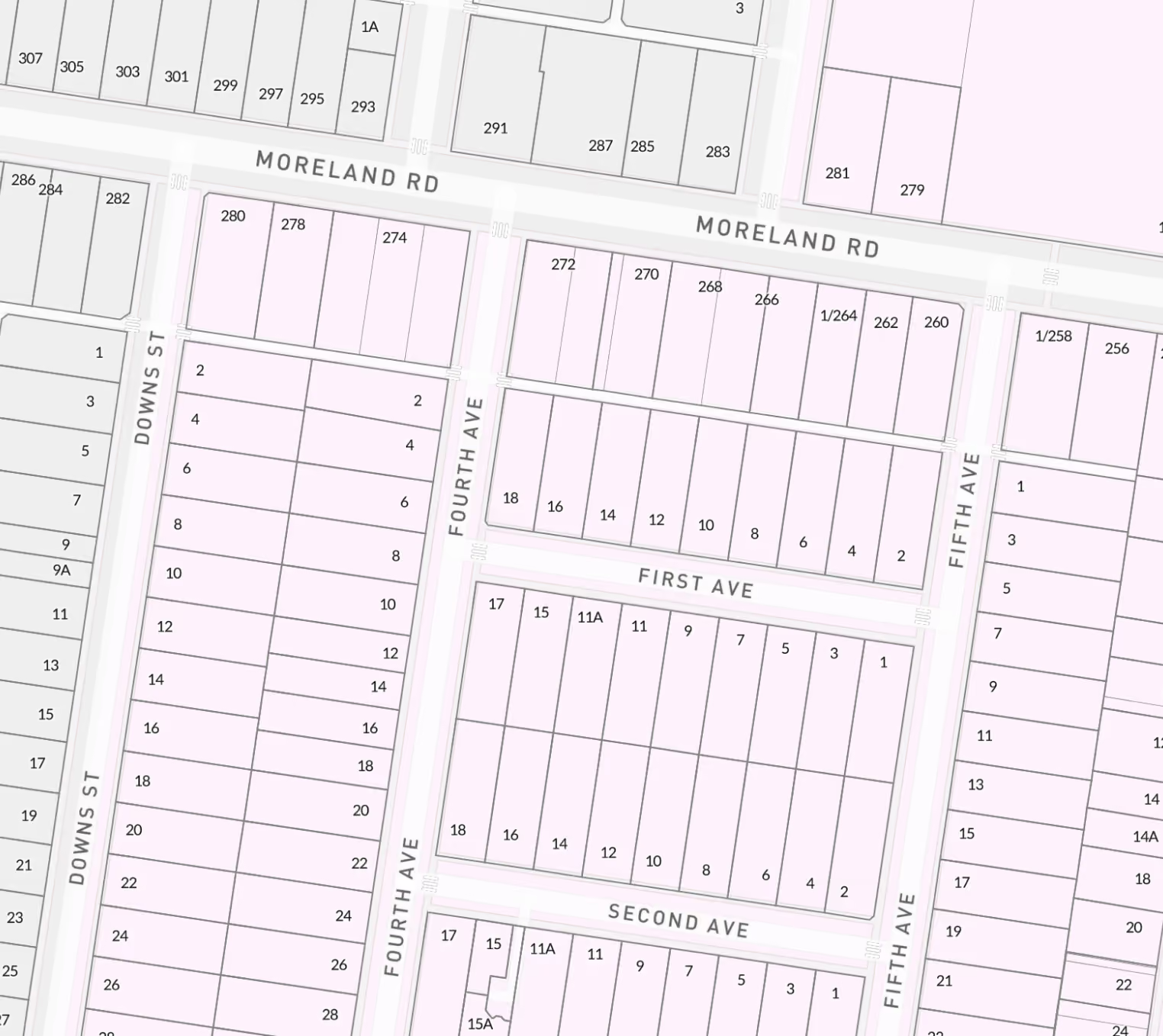
The HCTZ will initially incorporate areas that are either:
- Within 800 metres of a train or tram stop, or
- Within 400 metres of bus stops on high-frequency routes
Exact locations will depend on negotiations with local councils but several priority growth and renewal areas have been identified:
1. Sunshine
Sunshine is already earmarked as a transport super hub under the Melbourne Airport Rail Link project. It has direct rail access (19-25 minutes) into the CBD via the Sunbury/Sydenham line, and a major bus interchange.
It’s also a designated Metropolitan Activity Centre in Melbourne’s fast-growing western suburbs with an expanding employment base in the retail, health, and services sectors. As such, it’s ideally located for increased housing density as a HCTZ.
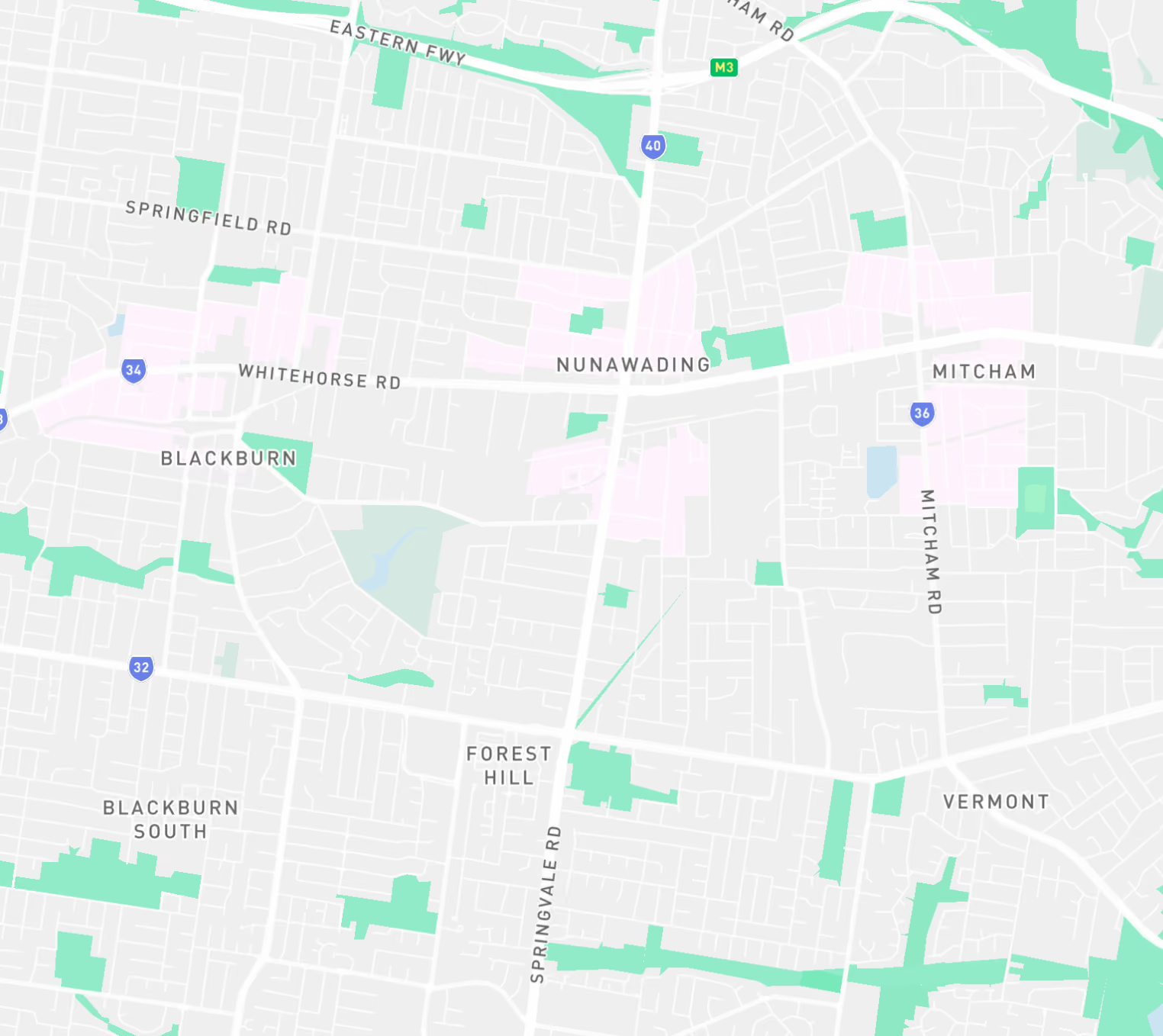
2. Box Hill
Box Hill is a major activity centre and transport interchange in Melbourne’s eastern suburbs, located around 27-30 minutes from the CBD via the Lilydale and Belgrave lines. It also has multiple tram routes, and a comprehensive bus interchange.
Combined with its vibrant commercial core and easy access to healthcare (Box Hill Hospital), education facilities (Box Hill Institute) and other local amenities, Box Hill is a strong candidate for targeted infill development as a HCTZ.
3. Broadmeadows
Broadmeadows is located about 30 minutes from the CBD via direct rail link on the Craigieburn line. It also has a major bus interchange, and is a key economic hub in Melbourne’s northern suburbs. Recent urban renewal projects within the area include the Banksia Gardens social housing redevelopment and various community sports and facility upgrades.
These developments and current focused state government spending make Broadmeadows a key candidate for HCTZ rezoning. There is plenty of scope for the development of more affordable housing close to the existing transit hubs and local employment centres.
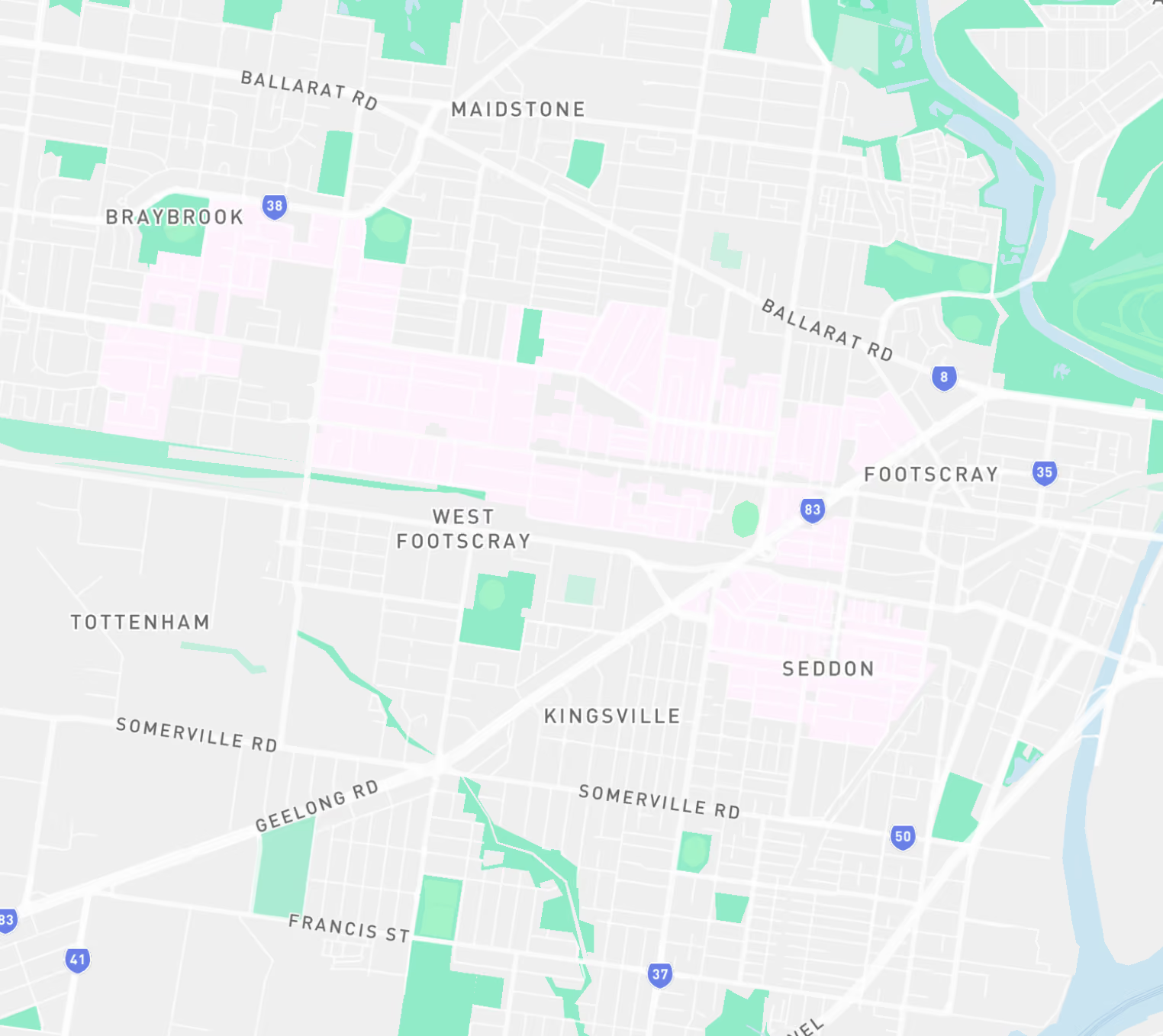
4. Footscray
Footscray is very close to the CBD with multiple train lines, tram and bus networks, and varied housing types and styles. It also has a diverse community, thriving cultural scene; rich mix of local employment opportunities and amenities; and easy access to both local and CBD facilities.
As a HCTZ, medium-density housing in Footscray can be strategically increased to provide more varied housing options for residents.
5. Dandenong
Dandenong is one of Melbourne’s designated National Employment and Innovation Clusters (NEICs). As such, it is strategically important as a major employment centre in Melbourne’s southeast. It is around 40 – 45 minutes by train to the CBD via the Pakenham and Cranbourne train lines but has key arterial roads, and a major bus interchange.
It’s also home to diverse and growing manufacturing, retail, and service sectors with associated employment requirements. As such, it is a key target for increased medium-density housing under the HCTZ.
Greater Melbourne and Regional Victoria
The HCTZ is part of a broader suite of planning and housing initiatives designed to modernise Victoria’s planning system and deliver the targets set out in:
- Plan Melbourne 2017–2050
- The Victorian Housing Statement (2023)
- The 10-Year Infrastructure Strategy by Infrastructure Victoria
These policies emphasise compact, connected, and inclusive growth. They shift away from the ongoing development of sprawling car-dependent suburbs that encroach on surrounding farmland and native bush. The focus instead is on encouraging smarter land use that supports climate resilience and social equity.
In particular, the HCTZ helps bring to life Plan Melbourne’s vision of a city made up of 20-minute neighbourhoods, where residents can live locally and thrive.
Challenges and Considerations
- Ensure quality urban design and avoid overdevelopment
- Protect neighbourhood character where appropriate
- Invest in infrastructure and services to support new residents
- Collaborate with local councils and communities to make sure zoning reflects local context
The Victorian Government has committed to ongoing engagement with councils and the public to refine HCTZ boundaries and design guidelines before final rollout.
Conclusion
The Housing Choice and Transport Zone is part of a forward-thinking approach to urban development in Victoria. It supports sustainable growth, greater housing access, and better-connected communities.
It, and other similar reforms, will become increasingly important over the next few decades as Victoria's population growth continues to drive housing demand up. As such, it will become a major player in how Melbourne, its suburbs, and major regional centres develop.
Property professionals, investors, and homeowners alike should explore their options in relation to the HCTZ, and understand how they will play out in Victoria’s urban future.
Keen to see how the HCTZ might impact your area?
Sign up to Landchecker to access zoning data, planning overlays, and transport accessibility tools, all in one platform.

Trusted by thousands of businesses every day
"Having access to all this property information in one place is invaluable, from sales data, to planning information and permits. The Landchecker map is very easy to use."
"Clients expect the advice to come immediately so they can make informed decisions on whatever it is they're doing, whether it is an acquisition or development applications or VCAT, Landchecker is that one-stop-shop; a tool that we could use to provide advice we could then give to our clients in a timely fashion."
“Landchecker is the most used and popular online tool for KordaMentha’s real estate team. Its intuitive platform simplifies complex property research, enabling our team to quickly retrieve essential information such as land size, zones and overlays, planning information, and sales history."
"Landchecker has been a gamechanger for InForm - not only in the way in which we are able to gather all accurate information on parcels of land, but also in the way in which we service our clients."
"Landchecker is essential for our business for evaluating development opportunities by offering detailed property insights, High-Resolution Imagery, and zoning data to save time and enable confident decisions."
"Landchecker has provided significant support to our due diligence process, providing efficient searching solution and quick access to key planning data and high-resolution imagery. It’s an essential tool improving the efficiency of our opportunity assessment."